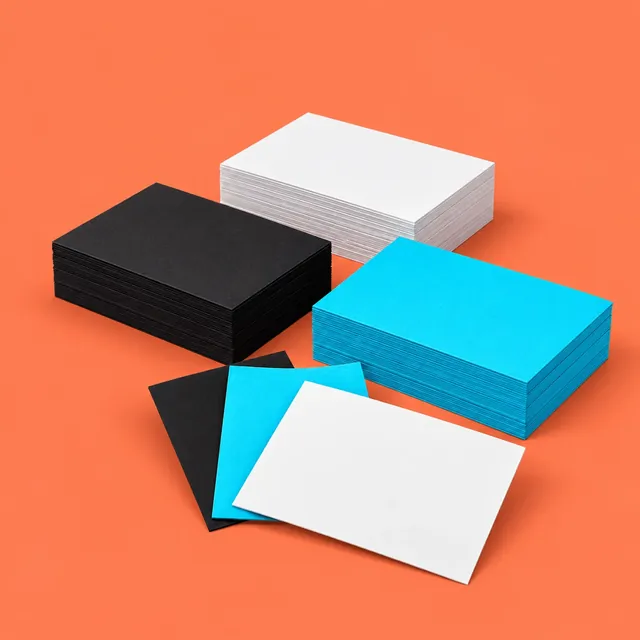
Standard paper cards
$20 to $50 for 500
14 pt paper in matte or gloss, printed on one or two sides. This is what most people hand out, and it’s plenty for most businesses.
See paper business cardsWe build your plan.
You don’t have to pick. We look at your business, choose what will get you results and run it. You approve every step.
Here’s what we offer, regardless:
Your brand on anything.
Pick a product, choose the color and the print, and send your logo. We send the mockup and the price.
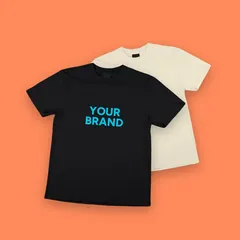 Custom T-shirts
 Hats
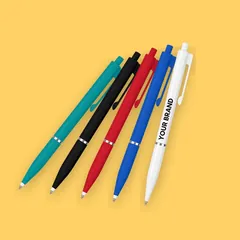 Pens
 Hoodies & jackets
 Pants
 Custom jeans
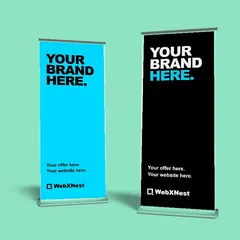 Custom banners
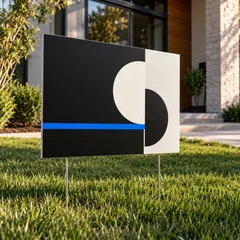 Yard signs
 Mouse pads
 Beanies
 Crewnecks & sweatshirts
 Work uniforms
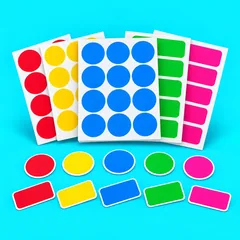 Stickers & labels
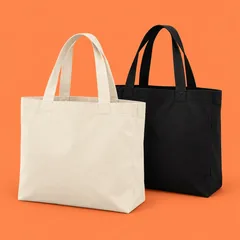 Tote bags
 Drinkware
 Custom packaging
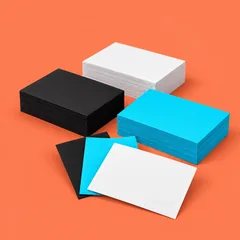 Regular business cards
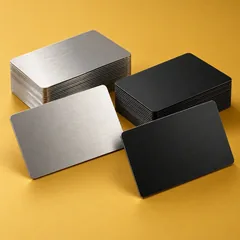 Metal business cardsMetal NFC business cards
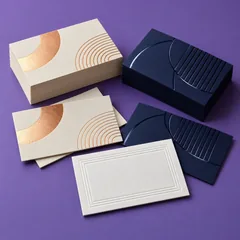 Specialty business cards
 Flyers & menus
The price of 500 business cards comes down to a few choices: the paper, the finish, how many sides you print and how fast you need them. This guide walks through each one, so you know what a fair price looks like before you order.
500 standard business cards usually cost $20 to $50, or about 4 to 10 cents a card. Thicker paper and nicer finishes bring that to $50 to $100. Luxury cards with foil, letterpress or painted edges can cost $100 to $250 or more.
Two orders of 500 cards can look almost the same and still be priced very differently. Almost all of the difference comes from the choices below. Knowing them helps you spend money where people will notice it, and save it where they won’t.
Paper thickness is measured in points. Most standard cards are printed on 14 pt stock, which feels sturdy but ordinary. 16 pt feels noticeably thicker, and luxury cards go to 32 pt or more, almost as stiff as a credit card. Each step up costs more, because thicker paper costs more to buy and runs slower on the press.
Matte is soft and glare free. Glossy makes colors pop but shows fingerprints. Uncoated paper feels natural and is the only kind you can easily write on with a pen. Soft-touch adds a velvety coating that people tend to rub with their thumb, and it usually costs a little more than the others.
Printing on the back usually adds a small amount per order. It’s often worth it: the back is the best place for a QR code, your services, or a short line that tells people why they should call you.
Foil, spot UV, embossing, letterpress and painted edges each need an extra step after printing, and that’s where prices climb fastest. One special finish can make a card memorable. Stacking three or four of them is how a $40 order turns into a $200 one.
The US standard is 3.5 × 2 inches, and it’s the cheapest because it fits every press and every wallet. Square cards, slim cards, rounded corners and custom shapes all need different cutting, which adds to the cost.
Every print job has setup work that costs the same whether you order 50 cards or 5,000. Spread over more cards, that setup cost shrinks per card. That’s why 500 cards rarely cost twice as much as 250.
Using a template is free. Hiring a freelance designer or an agency can cost more than the printing itself. Many printers, including us, will design the card for you at no charge when you order.
The type of card you choose moves the price more than anything else. These are typical costs for 500 cards in the US.
$20 to $50 for 500
14 pt paper in matte or gloss, printed on one or two sides. This is what most people hand out, and it’s plenty for most businesses.
See paper business cards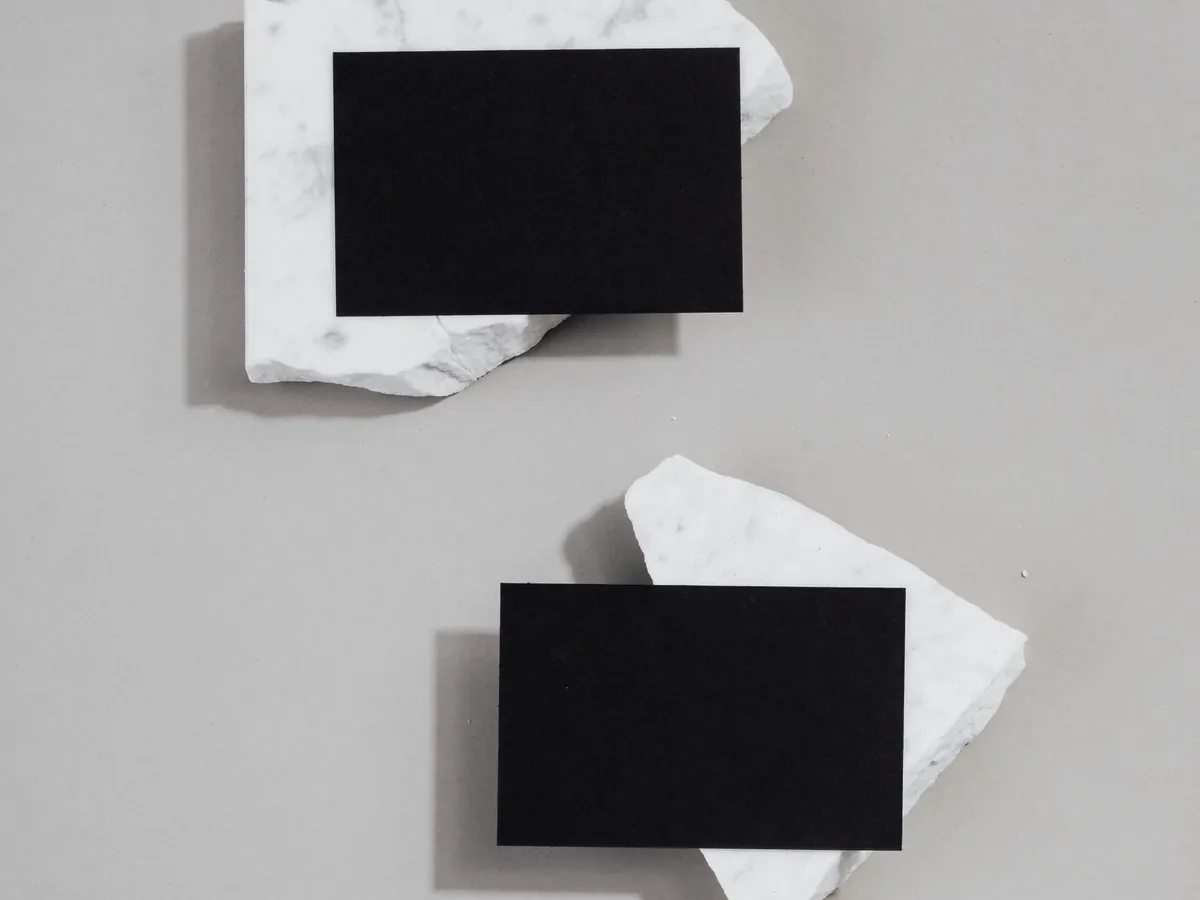
$50 to $100 for 500
Thicker 16 pt stock, soft-touch coating, colored paper or recycled kraft. They feel more solid in the hand, which people remember.
See paper business cards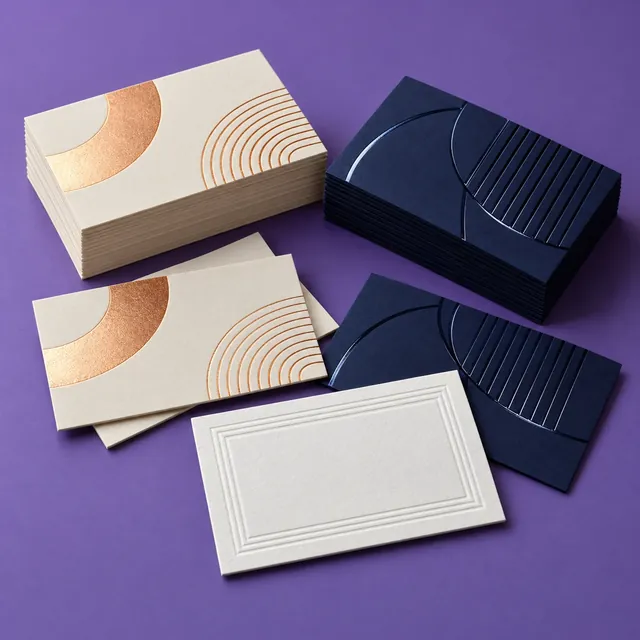
$100 to $250+ for 500
Foil, spot UV, embossing, letterpress, painted edges or layered paper. Best when your card has to say “premium” before you say a word.
See specialty business cards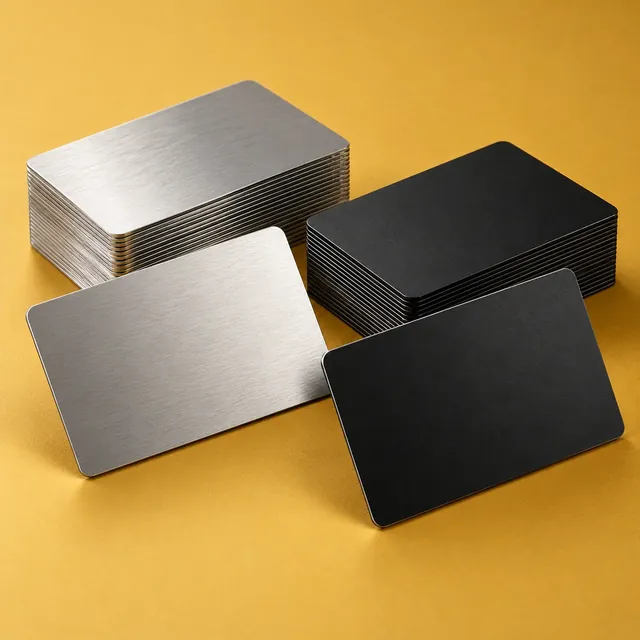
About $2 to $10 a card
Steel, black, gold or rose gold, engraved or printed. Most people order fewer than 500 and save them for clients and important meetings.
See metal business cards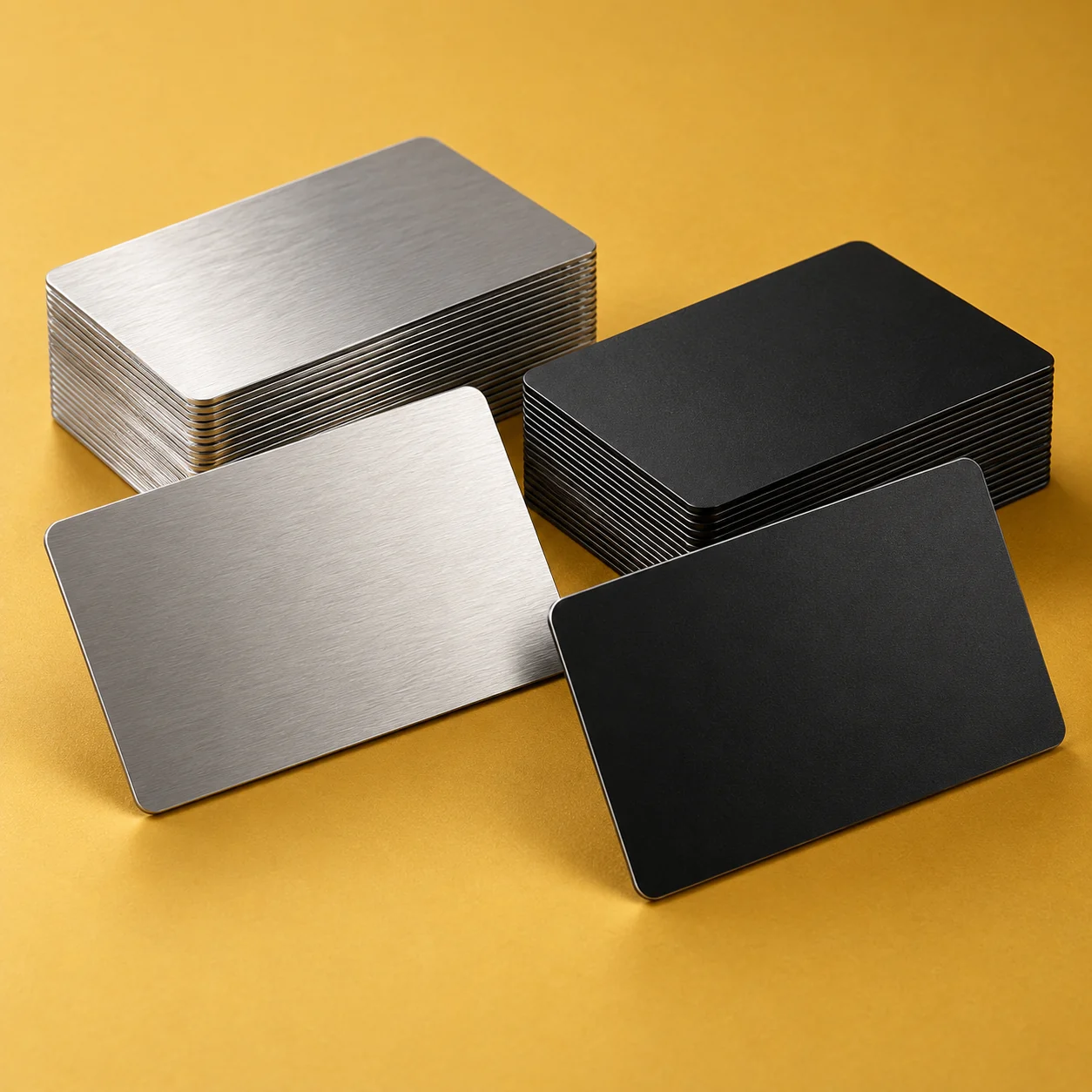
About $15 to $50 a card, less in bulk
A metal card with a chip inside. Tap it on a phone and it opens your contact card, website or booking page, with no app needed. Branded NFC cards bought one at a time sit at the top of this range, and the price per card drops a lot on team orders.
See metal NFC business cards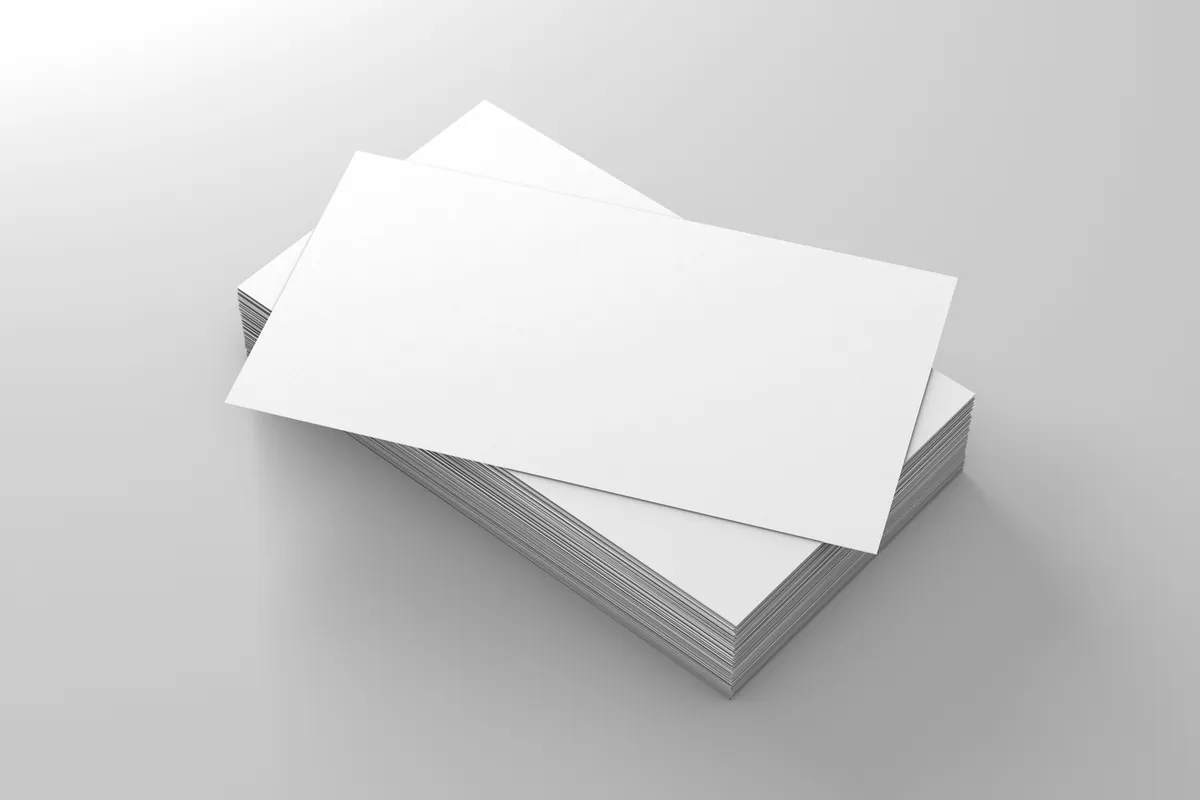
500 is the most common business card order, and for good reason. Because so much of the cost is setup, the price per card falls quickly up to about 500 and then levels off. Going from 250 to 500 cards usually adds only a few dollars, while going from 500 to 1,000 saves less per card than you might expect.
500 is also enough to last most people a year or more, short enough that your details are unlikely to go out of date, and small enough to fit in two standard card boxes on a desk.
It depends on how many you hand out each week:
If you mostly meet people one at a time, 500 will last you a long while. If you work trade shows, open houses or networking events, you can go through a box in a single weekend, so 1,000 is often the smarter order. And if your phone number, title or address might change this year, order fewer. Cards with old details are money in the trash.
Standard paper cards usually arrive in about one to two weeks with regular shipping. Most printers offer rush production and faster shipping for an extra fee, which can get cards to you in a few business days.
Specialty finishes take longer, because each extra step adds time. Metal and NFC cards take the longest, often several weeks, since they’re made to order one batch at a time. If you need cards for an event, order at least two to three weeks ahead for paper, and longer for metal.
The price you see on a product page is rarely the final total. Before you compare, check for these:
Compare the total at checkout, not the starting price.
Still wondering? Ask us anything.
Usually $20 to $50 for standard paper cards. Premium paper and finishes bring it to $50 to $100, and luxury cards can cost $100 to $250 or more.
For most people, no. If you hand out 10 cards a week, 500 lasts about a year. If you go to a lot of events, 1,000 is often the better buy.
Usually only a little more than 500, because so much of the cost is setup. The price per card drops as the quantity goes up, so 1,000 is often the better value if your details won’t change soon.
Usually about $2 to $10 a card, depending on the metal, the finish and how many you order. Metal cards with an NFC chip cost more.
Standard paper cards usually arrive in about one to two weeks. Rush options can get them to you in a few business days for an extra fee. Metal and NFC cards take longer.
Yes, for free. Send your logo and details, and we’ll send a mockup. Nothing is printed until you approve it.
Free design, free US shipping, and a mockup before anything is printed.